

Local countertop guide · Greensboro & the NC Triad
Granite vs. Quartz Countertops: Which Is Better for Your Kitchen?
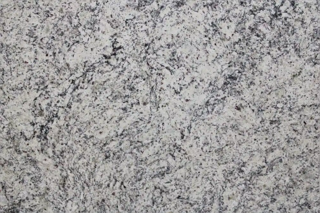
Granite gives you a natural slab that will never be repeated exactly. Quartz gives you an engineered surface with more consistent color and no routine sealing. Both can make an excellent countertop—but they do not cost, look or perform exactly the same.

The honest answer
Is granite or quartz better?
Granite is usually better when natural variation, heat tolerance, outdoor use and a lower local starting price are priorities. Quartz is usually better when consistent patterns, high stain resistance and no routine sealing matter most.
There is no universal winner. A heavily patterned natural slab and a quiet white quartz serve different design goals. A family that never wants to think about sealer may value quartz more, while a cook or homeowner planning an outdoor kitchen may prefer an appropriate granite. Compare the actual material and project—not just two category names.
Lower Sondos starting price
Granite
$90 vs. $100 per sq. ft. installed
Lowest routine maintenance
Quartz
Nonporous and normally not sealed
Natural one-of-a-kind pattern
Granite
Every slab has individual mineral variation
Most consistent appearance
Quartz
Manufactured colors are easier to coordinate
Full comparison
Granite vs. quartz at a glance
This is the practical difference between the two materials before brand, color, slab and fabrication details are added.
| Category | Granite | Quartz |
|---|---|---|
| Material | Natural stone cut from quarried slabs | Engineered surface made with quartz minerals, binders and pigments |
| Appearance | Unique mineral pattern and natural variation | More consistent colors and controlled patterns |
| Routine sealing | Often recommended; schedule varies by stone and sealer | Normally not required |
| Stain resistance | Good when properly protected and cleaned promptly | High because the surface is nonporous |
| Heat | Generally better heat tolerance; trivets are still recommended | Use trivets because high heat can affect the binder system |
| Scratch resistance | Hard and durable; mineral composition varies | Durable, but performance varies by manufacturer and product |
| Outdoor use | Many granites can work when properly selected and installed | Only when the manufacturer specifically approves the product |
| Pattern matching | Full-slab layout is critical; exact repetition is impossible | Usually easier to coordinate, but lot and slab variation still exist |
| Installed starting price | $90/sq. ft. | $100/sq. ft. |
| Best starting point for | Natural character, heat exposure and many exterior projects | Simple care, predictable design and busy interiors |
No countertop is stain-proof, scratch-proof, chip-proof or heat-proof. The selected material, edge, supports, fabrication and care all affect performance.
Natural stone
What is granite?
Granite is a broad commercial category of hard natural stone. The slabs sold as granite commonly contain visible mineral crystals that create speckling, waves, veins, color shifts and reflective details. Because the stone formed naturally, the pattern cannot be manufactured to repeat from slab to slab.
That variation is the reason to choose granite—not a flaw to hide. It also means you should view the full slab when possible, compare adjacent slabs for a multi-slab project and discuss where strong movement will land before fabrication begins.
Browse granite colors →Engineered surface
What is quartz?
Quartz countertops are manufactured from quartz minerals combined with binders, pigments and other components. This production process creates colors and patterns with more control than natural stone, from nearly solid whites to marble-inspired veins and darker concrete looks.
Quartz is nonporous and normally does not require sealing. That makes it a practical interior surface, but not an indestructible one. Direct high heat, unapproved chemicals, heavy impacts and inadequate support can still damage a quartz countertop.
Browse 200+ quartz colors →Local installed pricing
Which costs more: granite or quartz?
At Sondos Stone, granite currently starts around $90 per square foot installed and quartz starts around $100 per square foot installed for qualifying NC Triad projects. These starting prices include material, professional templating, in-house fabrication and professional installation.
Granite starting point
$90/sq. ft. installed
Quartz starting point
$100/sq. ft. installed
The category starting price does not decide the final quote.
Premium quartz can cost more than many granites. Rare or dramatic granite can cost more than many quartz colors. The number of slabs, usable slab dimensions, pattern direction, cutouts, edge, backsplash, demolition and access can outweigh the $10 starting-price difference.
A 60-square-foot kitchen does not automatically use exactly 60 square feet of purchased material. Slab remnants, sink cutouts and unused sections do not always transfer efficiently to another part of the layout. Price the slab plan—not only the finished countertop area.
These are planning examples, not guaranteed quotes. Review the full North Carolina countertop cost guide or use the instant quote tool.

The installed result
Material is only one part of countertop quality.
Accurate templating, sensible seams, finished cutouts, edge work, supports and careful installation matter for granite and quartz alike.
View Sondos Stone projects →Daily performance
Heat, stains, scratches, chips and sunlight
Heat resistance
Granite generally handles heat better than engineered quartz. Quartz binders can be affected by high or prolonged heat, so the manufacturer’s instructions and trivets matter. Trivets are still recommended on granite to protect sealers, finishes and the installation from thermal stress.
Advantage: graniteStain resistance
Quartz is nonporous and usually offers the simpler stain-resistance story. Granite absorption varies by stone. A suitable penetrating sealer and prompt cleanup can reduce risk, but neither material should be treated as permission to leave oil, wine, coffee or strong colorants sitting.
Advantage: quartzScratches
Both materials are durable under normal kitchen use. Granite hardness varies with mineral composition, and quartz performance varies by product. Use cutting boards instead of testing the finish with knives, ceramics or abrasive objects.
Advantage: depends on the exact surfaceChips and impacts
Either material can chip at a sink rail, corner or exposed edge after a hard impact. Edge profile, cutout design, cabinet level, overhang support and handling during installation can be just as important as the material name.
Advantage: tieSunlight and outdoor use
Many granites are suitable for outdoor kitchens when the stone, finish and installation are appropriate. Standard interior quartz can change under UV exposure, so use it outdoors only when the specific manufacturer approves the application in writing.
Advantage: graniteCleaning and sealing
Both can usually be cleaned with warm water, mild soap and a soft cloth. Quartz normally needs no routine sealing. Granite sealing frequency depends on the actual stone, finish, sealer and use—not a universal calendar.
Advantage: quartzAppearance and layout
Which looks better in a kitchen?
The honest answer depends on whether you want natural individuality or controlled consistency.
Choose granite for natural depth
A slab—not a printed repeat
- Mineral crystals, movement and color change across the slab.
- Full-slab viewing reveals features a small sample cannot show.
- Vein direction and seams should be planned before cutting.
- Polished, leathered and honed finishes can change the entire look.
Choose quartz for design control
A more predictable direction
- Manufactured patterns are easier to coordinate from a sample.
- White, warm neutral and marble-inspired options are widely available.
- Repeat projects and multiple rooms can be easier to standardize.
- Lot differences and vein placement still need to be checked.
White cabinets
Almost either material can work. Light granite adds natural mineral detail; white quartz creates a cleaner, more controlled surface. Compare undertones against the actual cabinet finish.
Wood cabinets
Granite with cream, gold, brown or soft gray minerals can connect naturally with oak, maple or walnut. Warm quartz can create a quieter contrast without competing grain patterns.
Dark cabinets
Light granite or quartz can keep the room open. Dark-on-dark combinations need enough light and contrast from flooring, walls and backsplash to avoid a heavy result.
Large islands
Confirm available slab dimensions before choosing. A beautiful sample does not guarantee a seam-free island, and strong patterns need intentional placement around sinks and edges.
Make the decision
Which surface fits your priorities?
Granite may be better if…
You want real stone to show.
- You value individual natural pattern and mineral variation.
- Heat tolerance is more important than avoiding all sealing.
- You are considering an appropriate outdoor application.
- You are willing to approve full slabs and accept natural variation.
- You want the lower Sondos Stone category starting price.
Quartz may be better if…
You want ownership to stay simple.
- You do not want routine sealing.
- You value consistent color and pattern control.
- High stain resistance is a top priority.
- You are coordinating several rooms or repeat units.
- Your application is primarily an indoor kitchen, bath or commercial surface.
Real project scenarios
How the choice changes by project
Quartz is often the simpler default.
No routine sealing and high stain resistance reduce maintenance. Trivets and cutting boards still matter.
Granite can create a genuinely unique focal point.
Approve the full slab and layout so the strongest movement lands intentionally rather than inside a cutout.
Start by comparing suitable granites.
Review climate exposure, finish, supports and installation. Do not use ordinary indoor quartz outside without written approval.
Quartz can simplify repeat specifications.
Consistent product selections and low maintenance may make coordination easier across several kitchens or vanities.
Compare actual colors—not category averages.
Granite starts lower locally, but an in-stock quartz or efficient slab layout can change the final comparison.
Review the full assembly, not only the surface.
Clearances, substrate, fireplace manufacturer instructions and local code requirements control the application.
Local fabrication perspective
Granite and quartz across the NC Triad
Sondos Stone templates, fabricates and installs granite and quartz countertops for homeowners, builders, designers, cabinet companies and commercial teams throughout Greensboro, High Point, Winston-Salem, Jamestown, Kernersville, Burlington, Lexington, Thomasville, Asheboro, Archdale, Trinity and nearby communities.
- Choose an actual color or slab.Compare full granite slabs and current quartz samples or slabs.
- Price the real layout.Include slab usage, cutouts, edges, removal, backsplash and access.
- Prepare the cabinets.Permanent cabinets should be installed, secured, level and final before templating.
- Approve the fabrication plan.Confirm seams, pattern direction, sink, cooktop, overhangs and focal areas.
Compare quotes correctly
Six questions that prevent bad surprises
- What exact granite slab or quartz product is included? A generic material category is not a complete specification.
- How many slabs does the price assume? Confirm whether the layout needs one slab, multiple slabs or a remnant.
- What is included? Ask about templating, fabrication, installation, cutouts, edge, removal, disposal and backsplash.
- Where will seams be placed? Review support, pattern flow, sink location and piece size—not only the number of seams.
- What care or warranty documents apply? Keep the quartz manufacturer instructions or granite sealer and care guidance.
- Are cabinets and overhang supports ready? Surface quality cannot correct unstable, unlevel or unsupported cabinetry.
Granite vs. quartz FAQs
Direct answers to common questions
What is the main difference between granite and quartz?
Granite is a natural stone slab with individual mineral variation. Quartz is an engineered surface made with quartz minerals, binders and pigments. Granite offers natural uniqueness and better heat tolerance; quartz offers greater pattern consistency and normally needs no sealing.
Which is cheaper: granite or quartz?
Sondos Stone granite currently starts around $90 per square foot installed, while quartz starts around $100. Exact granite slabs and quartz colors span multiple price levels, so the final quote depends on material, slab usage and project details.
Does granite need to be sealed?
Many granite countertops benefit from a penetrating sealer. The correct schedule depends on the actual stone, finish, sealer and use. Follow the project-specific recommendation rather than automatically sealing on an arbitrary calendar.
Does quartz need to be sealed?
No. Engineered quartz is nonporous and normally does not require routine sealing. Follow the selected manufacturer’s care and warranty instructions.
Which handles heat better?
Granite generally handles heat better than engineered quartz. Use trivets on both. A trivet protects quartz binders from high heat and reduces unnecessary thermal stress on granite, sealers and the installation.
Which is more stain resistant?
Quartz normally has the advantage because it is nonporous. Properly protected granite can also perform well, but absorption varies by stone. Clean spills promptly on either surface.
Which is more durable?
Both can perform for many years when correctly selected, fabricated, installed and maintained. Granite and quartz can both scratch, chip or crack under certain conditions. Product quality, edge design, supports and use matter.
Is granite outdated?
No. Granite remains a strong choice for homeowners who want natural variation, heat tolerance, broad color options and many indoor or outdoor applications. The selected slab and surrounding design determine whether the result feels current.
Which has better resale value?
There is no guaranteed winner. Condition, design, buyer preferences and the overall kitchen matter more than the material name alone. Choose a quality surface that fits the home and is installed correctly.
Can quartz be used outdoors?
Only use quartz outdoors when the specific manufacturer approves the product and exposure. Many standard interior quartz products are not warranted for UV or exterior use.
Can granite be used outdoors?
Many granites can work for outdoor kitchens and other exterior surfaces. The actual stone, finish, climate exposure, support and installation details must be reviewed first.
Can I see the full material before fabrication?
Full-slab viewing is strongly recommended for granite because natural variation cannot be represented by a small sample. For quartz, confirm the current sample, slab and production lot when exact color or vein placement matters.
Do you install granite and quartz around Greensboro?
Yes. Sondos Stone templates, fabricates and installs granite and quartz countertops throughout Greensboro, High Point, Winston-Salem and surrounding NC Triad communities, subject to project location and availability.
How this guide was prepared
This guide combines Sondos Stone’s local installed pricing and fabrication perspective with material guidance from Daltile’s granite guide, Cambria’s quartz care guide and the Natural Stone Institute’s Use Natural Stone program. Always follow the instructions for the selected slab, quartz product, sealer and installation.
Compare actual options
See what granite and quartz cost for your kitchen.
Send measurements, cabinet plans or project photos. We can compare materials, slab usage, cutouts, edge details and installed pricing.