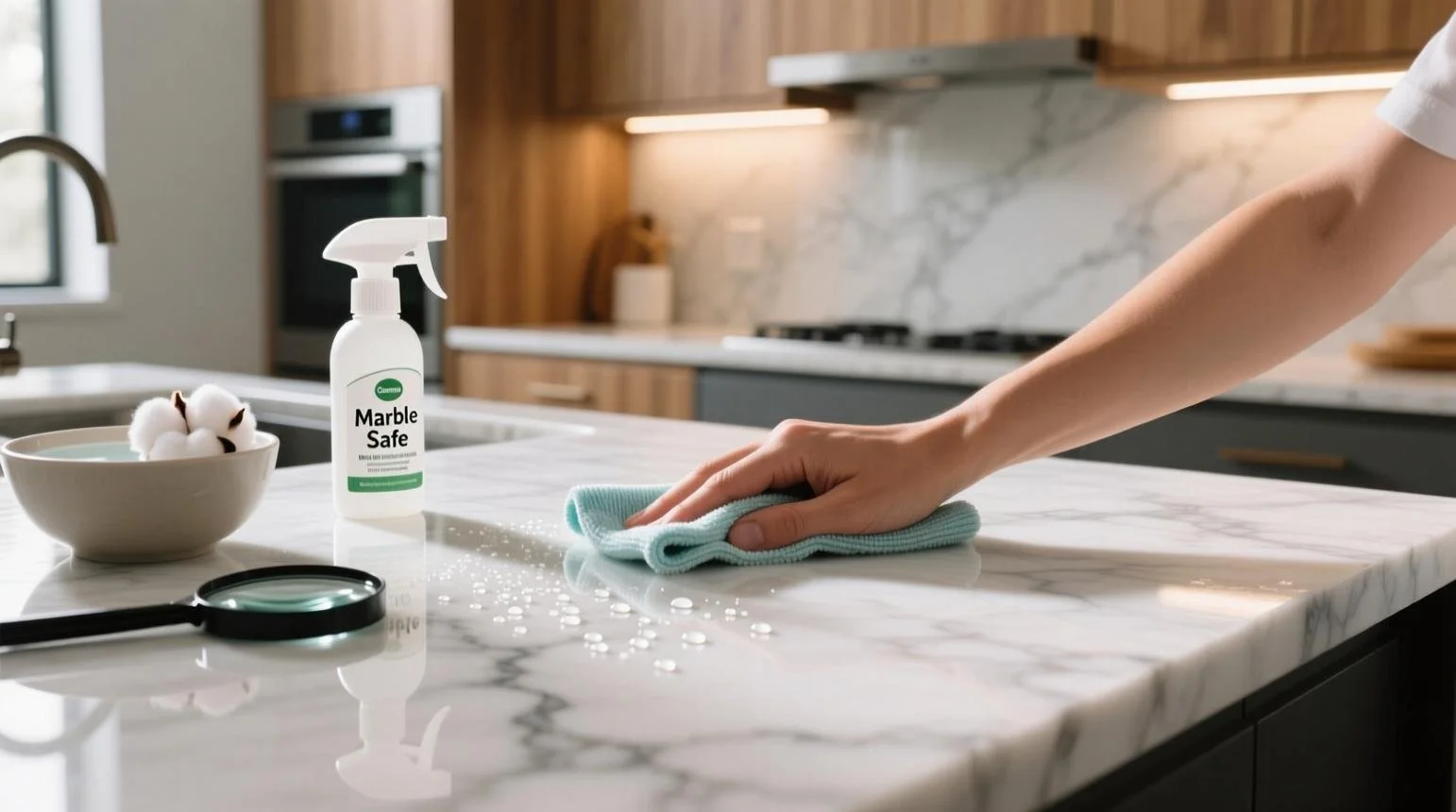
How to Care for Countertops: Granite, Quartz, Marble & More | Sondos Stone
How to Care for Your Countertops: A Complete Homeowner's Guide
Your countertops are one of the most used surfaces in your home. From preparing meals and setting down hot cookware to everyday spills and cleaning, they take a lot of wear. The good news is that with the right care, quality countertops can stay beautiful for decades.
Whether you have quartz, granite, marble, quartzite, porcelain, or Dekton countertops, proper maintenance doesn't have to be difficult. This guide explains exactly how to clean, protect, and maintain each material so you can keep your investment looking its best.
Daily Cleaning
For most countertop materials, daily cleaning only requires a soft microfiber cloth, warm water, and a mild dish soap.
Avoid using abrasive scrub pads, steel wool, or harsh cleaners that can dull the finish over time. After cleaning, wipe the surface dry to prevent water spots, especially on darker stones.
Best for everyday cleaning:
Warm water
Mild dish soap
Soft microfiber cloth
Stone-safe cleaner (when needed)
Quartz Countertop Care
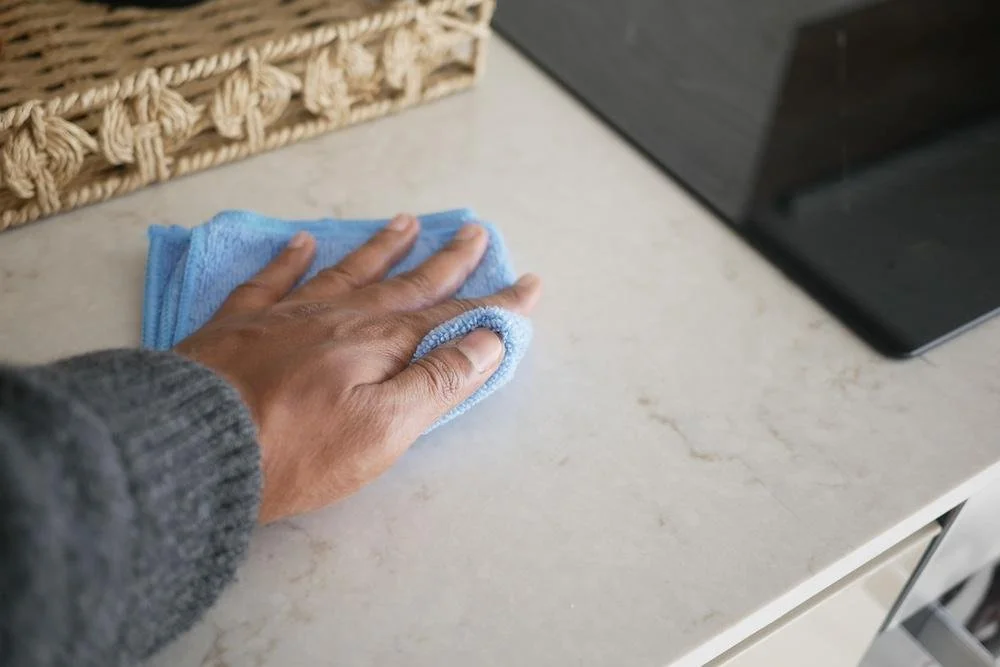
Quartz is one of the easiest countertop materials to maintain because it is non-porous and does not require sealing.
Do
Clean spills as they happen.
Use a cutting board when preparing food.
Use trivets or hot pads for hot pots and pans.
Clean regularly with mild soap and water.
Don't
Place hot cookware directly on the surface.
Use paint removers, oven cleaners, or bleach.
Cut directly on the countertop.
Use abrasive cleaners.
Granite Countertop Care
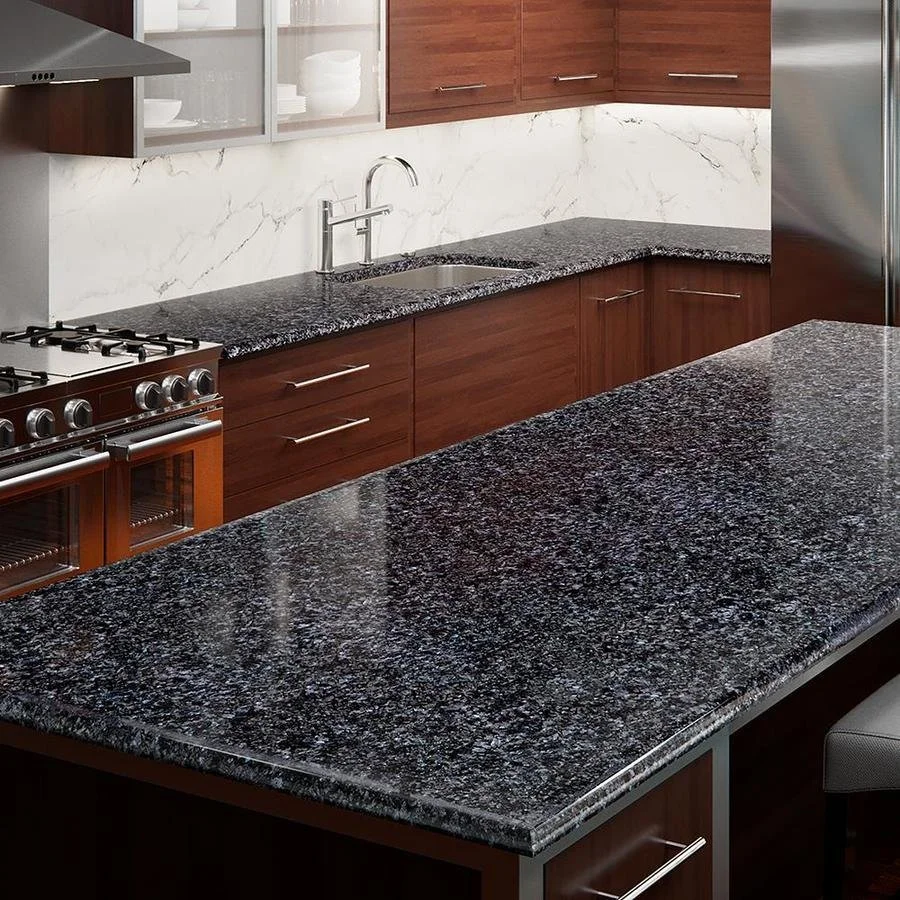
Granite is a natural stone that is extremely durable, but it should be sealed periodically to help resist stains.
Do
Clean with a pH-neutral stone cleaner or mild soap.
Wipe up oil, wine, coffee, and juice quickly.
Reseal when water no longer beads on the surface.
Use trivets for hot cookware.
Don't
Let acidic liquids sit on the surface.
Use vinegar or lemon-based cleaners.
Use harsh chemicals that can damage the sealer.
Marble Countertop Care
Marble is known for its beautiful natural appearance but requires more attention than other materials.
Because marble is softer and more porous, acidic foods like lemons, vinegar, tomatoes, and wine can cause etching.
Do
Clean spills immediately.
Use coasters under drinks.
Use cutting boards.
Clean only with stone-safe products.
Don't
Leave acidic foods on the surface.
Use abrasive scrubbers.
Place toiletries directly on bathroom marble for long periods.
Quartzite Countertop Care
Quartzite offers the beauty of natural stone with exceptional durability, but it should still be sealed to protect against stains.
Daily care is similar to granite.
Do
Wipe spills quickly.
Use cutting boards.
Clean with mild soap or stone-safe cleaners.
Reseal when recommended.
Don't
Use acidic cleaners.
Allow staining liquids to sit for extended periods.
Porcelain Countertop Care
Porcelain is highly resistant to stains, scratches, and heat, making it one of the lowest-maintenance countertop options.
Do
Clean with soap and water.
Use a microfiber cloth.
Wipe away food residue regularly.
Don't
Strike edges with heavy objects.
Use abrasive polishing compounds.
Dekton Countertop Care
Dekton is engineered to resist heat, scratches, stains, and UV exposure, making it ideal for both indoor and outdoor kitchens.
Do
Clean with soap and water.
Remove stubborn stains using a non-abrasive cleaner.
Use cutting boards to preserve your knives.
Don't
Hit exposed edges with heavy cookware.
Use abrasive pads unnecessarily.
Common Mistakes That Damage Countertops
Many countertop problems happen because of simple habits that homeowners don't realize can cause damage.
Avoid these common mistakes:
Using the countertop as a cutting board.
Placing hot pots directly on the surface.
Allowing spills to sit for hours.
Cleaning with bleach, ammonia, vinegar, or acidic products.
Standing or sitting on countertops.
Dropping heavy objects on edges or corners.
Do Countertops Need to Be Sealed?
Not every countertop requires sealing.
MaterialNeeds Sealing?
Quartz- No
Granite -Yes
Marble - Yes
Quartzite - Usually
Porcelain -No
Dekton - No
If you're unsure whether your natural stone needs resealing, place a few drops of water on the surface. If the water quickly absorbs into the stone instead of beading up, it may be time to reseal it.
Frequently Asked Questions
Can I use disinfecting wipes?
Occasionally, yes. However, repeated use of harsh disinfectants may dull certain finishes. Mild soap and water remain the safest everyday option.
Can I put hot pans directly on my countertop?
Although some materials tolerate heat better than others, using trivets or hot pads is recommended for every countertop material to prevent unnecessary stress or discoloration.
What's the best cleaner?
A pH-neutral stone cleaner or a mixture of warm water and mild dish soap works well for most countertops.
Can I use vinegar?
No. Vinegar is acidic and can damage natural stone such as granite, marble, and quartzite. It may also affect the finish of some engineered surfaces over time. Want help choosing between materials? Read our Quartz vs. Granite Countertop Guide.
Need New Countertops?
Whether you're replacing old countertops or building a new home, choosing the right material is just as important as knowing how to care for it. At Sondos Stone, we fabricate and install granite, quartz, marble, quartzite, porcelain, and Dekton countertops for homeowners and businesses throughout North Carolina.
Our team will help you compare materials, answer your questions, and recommend the best option for your lifestyle and budget.
Ready to get started? Request your free quote today and let Sondos Stone bring your project to life.